80% of the world’s wastewater goes untreated, posing serious risks to nature and human health. Maintaining septic systems through regular Septic Tank Cleaning Brighton, pumping, and avoiding harsh chemicals, helps nip clogs and other problems in the bud.
One of the first warning signs of septic tank trouble is foul smells. These odors indicate that wastewater isn’t being treated properly.
Wastewater Pollution
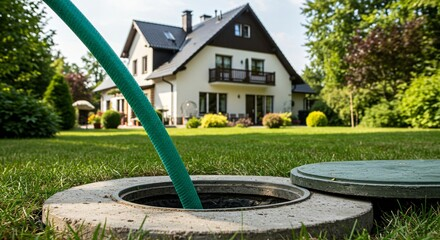
The human waste system is a major contributor to groundwater and surface water pollution. Failing septic systems, especially when not properly inspected and cleaned, can spread bacteria, viruses, and other pathogens into the surrounding environment and contaminate drinking and recreational water supplies.
The waste in a septic tank forms two distinct layers, the sludge layer and the scum layer. The sludge layer is made up of the heavier waste solids being broken down and digested by anaerobic bacteria in the tank, while the scum layer is composed of water-soluble fats and greases that cannot be completely broken down and digested in the septic tank. Over time, both these layers can increase to the point of clogging pipes and causing the system to fail.
A septic tank cleaning company can use a vacuum truck to remove the sludge from the septic tank and dispose of it in an environmentally safe location. During the tank cleaning process, the septic tank cleaner will also inspect the tank and drain field for signs of failure or damage.
Regular septic tank inspections and cleanings can significantly reduce the risk of failure. However, it is important to note that proper maintenance must include using water efficiently, limiting the amount of wastewater produced, and keeping children and pets away from the drainage field area.
A failing septic system can be a serious health risk, as it can lead to sewage back-up into the home and dangerous bacteria in the water supply. In fact, diarrheal diseases traced to contaminated water kill an estimated 2 million people and cause 90 million episodes of illness worldwide each year.
Septic tank systems are an integral part of our society, but they do require routine maintenance to function correctly and safely. Proper inspection and pumping will help reduce the risk of costly repairs, protect groundwater and surface water quality, and safeguard public health.
If you’re concerned about your septic system, contact a septic tank cleaning company today to schedule an appointment. Small changes, like shortening showers and washing full loads of laundry, can go a long way towards easing the load on your septic system.
Soil Contamination
A neglected septic system can contaminate water and soil, leading to serious environmental hazards. Regular septic tank cleaning reduces these risks, helping to ensure the system works properly and protects the natural environment.
Wastewater that leaches from a failing septic system can contaminate groundwater, entering rivers, lakes, and coastal waters. This can introduce harmful pathogens, such as E coli and viruses, into the water supply, as well as excess nutrients that encourage algal blooms and harm water quality.
In addition, leaking septic systems can contaminate surrounding soil with raw sewage, which can disrupt local plant and animal life. The chemicals in septic system wastewater can also alter soil composition, reducing its ability to absorb nutrients and water. This can lead to a loss of soil health and affect future crops or green space.
Failing septic systems can also contaminate surface water, releasing contaminants into creeks, streams, and rivers. This can introduce pathogens into waterways and harm fish, wildlife, and people who drink the contaminated water. Excess nutrients in the water can promote algae growth and deplete oxygen levels, harming aquatic ecosystems.
One of the easiest ways to identify when a septic tank needs to be cleaned is to watch for pools of water in the yard or over the drain field area. This is an indication that the septic tank is overloaded or clogged and will require professional attention to address the issue.
The best way to reduce the need for frequent septic tank cleaning is to conserve water and use appliances and fixtures that are efficient. In addition, it’s important to avoid pouring fats, grease, and solids down the sink, as these can clog pipes and drain fields.
Finally, remember that septic tanks are dangerous and should only be inspected by trained professionals. Never stand over the tank opening or stick your head into it – you could be overcome by deadly gases and drown or suffocate.
Excess Nutrients in Water
A septic tank contains an ecosystem of bacteria that breaks down waste and is able to effectively filter and dispose of household sewage. When septic systems are poorly maintained, however, they can release a wide variety of contaminants into the surrounding water system. This can pollute nearby lakes, rivers, and streams with unsafe levels of bacteria, nitrates, chlorides, and phosphates. In some cases, this can also lead to a decline in fish and other aquatic life.
During your septic tank cleaning process, an experienced technician uses a large truck and vacuum equipment to remove all of the sludge from the bottom of the tank. This includes the water-insoluble matter that is not broken down by bacteria and floats to the top of your septic tank as scum. Your septic tank should be pumped regularly to avoid overflowing and to ensure that solid materials do not make it to your drain field where they can clog plumbing throughout the home.
If your septic tank has a baffle filter, this should be inspected and cleaned during all regular inspections and septic tank cleanings. These filters are designed to catch lint, coffee grounds and other non-organic solids that can’t be broken down by your septic tank bacteria. If these items make their way into the septic tank, they will clog the filter and slow or prevent effluent flow into the drain field.
A septic system’s drain field is designed to accept only liquid waste, or septic effluent. If solid materials make it into the drain field, they can clog the plumbing in the home and lead to system failure. The drain field can also contaminate surface water by spreading these pollutants into the soil and groundwater. Your septic tank should be located away from your well and any other water sources to minimize this risk.
Your septic tank is designed to treat domestic sewage and wastewater from your toilets, showers, sinks, washing machines, and dishwasher. Heavier solid matter sinks to the bottom of the tank to form sludge, while lighter matter such as fats, oils, and greases floats to the top of the water. To determine the thickness of your sludge layer, you can use an “L”-shaped pole and lower it into the septic tank past the floating scum layer until you feel resistance. The distance between the marks on your pole is how thick your sludge layer is.
Wildlife Disruption
Untreated sewage seeps into the soil, damaging local ecosystems. Over time, waste chemicals alter the soil composition and reduce its fertility. Untreated waste also introduces bacteria and viruses to the surrounding environment, affecting wildlife. Regular septic tank pumping and cleaning prevents these pollutants from entering the soil and water, promoting environmental safety.
Septic tanks and systems are designed to drain wastewater into a drain field, where natural processes provide further filtration. However, if the septic tank is damaged or the pipes are cracked, solid materials can make it to the drain field. Since the drain field is meant to filter only liquids, this creates a clogging issue and leads to system failure. This is why it is essential to have your septic tank inspected and pumped on schedule.
The best septic tank cleaning services are performed without chemicals, washing, or scrubbing. This is because these methods kill the bacteria that keep your septic system functioning correctly. A good septic tank cleaner will use a hose to remove the waste from the tank, using fresh water to rinse off the remaining waste on the walls and floor of the tank.
Another advantage of septic tank cleaning is that it provides a much more thorough clean than pumping does. While septic tank pumping sucks out the water and floaty waste, septic cleaning goes much further, eliminating all of the sludge from the bottom of the septic tank. This is done by digging out the hard gunk that has settled to the bottom of the septic tank, which is not possible when just pumping the tank.
In addition to improving septic tank function, routine cleaning helps homeowners save money by reducing the cost of emergency repairs or replacement costs that could be needed as a result of a clog or other septic system failure. Septic tank cleaning services also help families reduce their environmental footprint by promoting sustainability and helping homes maintain healthy, eco-friendly soil conditions. Septic tanks produce methane, a greenhouse gas that contributes to climate change. Routine septic tank cleaning optimises the anaerobic digestion process, reducing methane production.