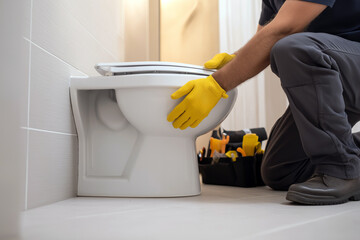
Plumbing installation represents one of the most essential yet often underappreciated aspects of building construction and renovation. While dramatic transformations like new cabinetry or flooring capture attention and admiration, the network of pipes, fixtures, and connections hidden within walls and beneath floors quietly performs the vital work of delivering clean water and removing waste.
A properly installed plumbing system functions reliably for decades with minimal maintenance, while poor installation leads to leaks, water damage, inefficient operation, and costly repairs. Understanding the complexity and importance of plumbing installation helps property owners make informed decisions and appreciate the expertise required to create systems that perform flawlessly day after day. Visit https://www.aplumbingllc.com/ to learn more.
Planning and Design Considerations
Successful plumbing installation begins long before any pipes are cut or fixtures mounted. The planning phase establishes the foundation for everything that follows, determining not just where water goes but how efficiently the entire system operates. Designers must consider water pressure requirements, drainage patterns, fixture locations, and the relationship between various plumbing elements throughout the structure.
Water supply planning involves calculating demand to ensure adequate pressure reaches all fixtures even when multiple outlets operate simultaneously. Nothing frustrates homeowners more than shower pressure dropping to a trickle when someone flushes a toilet or starts the washing machine. Proper planning accounts for these simultaneous demands, sizing supply lines appropriately and designing layouts that minimize pressure loss through excessive pipe runs or unnecessary bends.
Drainage design follows different principles but remains equally critical. Gravity does most of the work in drainage systems, so proper slope becomes essential. Drain pipes must maintain consistent downward pitch to keep waste and water flowing smoothly toward the main sewer line. Venting represents another crucial drainage consideration, as drain systems require air intake to prevent siphoning that can empty fixture traps and allow sewer gases into living spaces. The vent system must be carefully designed to serve all fixtures while meeting code requirements and working within the building’s structural constraints.
Fixture placement involves balancing aesthetic desires with practical plumbing requirements. While homeowners might envision a sink in a particular location or dream of a freestanding bathtub in the center of a bathroom, these wishes must align with practical realities of getting water to fixtures and waste away from them. Skilled plumbing designers help property owners achieve their vision while ensuring the underlying systems function properly and meet all regulatory requirements.
The Installation Process and Sequencing
Plumbing installation follows a carefully orchestrated sequence coordinated with other construction trades. Rough-in work happens first, installed after framing is complete but before walls are closed. This phase involves running supply lines and drain pipes through studs and joists, positioning them precisely where they’ll eventually serve fixtures. Rough-in work demands accuracy because once walls close, correcting mistakes becomes exponentially more difficult and expensive.
During rough-in, installers bore holes through framing members to route pipes, taking care to maintain structural integrity while creating pathways for plumbing lines. Building codes specify maximum hole sizes and locations to prevent weakening structural elements. Supply lines must be secured properly to prevent rattling and wear, while drain lines require adequate support to maintain proper slope and prevent sagging that could create low spots where debris accumulates and clogs form.
Protection of rough-in plumbing becomes important as other trades work in the same spaces. Installers typically cap supply lines to prevent debris from entering pipes and install temporary covers over drain openings to keep construction waste from clogging the system before it ever serves its intended purpose. Pressure testing of supply lines before walls close verifies that all connections are sound and no leaks exist within the hidden portions of the system.
Finish plumbing happens much later in construction, after walls are complete, painted, and ready for fixtures. This phase involves installing sinks, toilets, tubs, showers, and other visible plumbing elements. While finish work appears more straightforward than rough-in, it requires equal skill to ensure fixtures mount securely, connections seal properly, and everything operates as intended. The difference is that finish work mistakes are immediately visible and affect daily function, making precision and quality workmanship especially important.
Materials and Methods That Matter
Modern plumbing installation incorporates various materials, each with specific applications, advantages, and installation requirements. Copper pipe has long been favored for water supply lines due to its durability, resistance to bacteria, and ability to withstand high temperatures and pressures. Installing copper requires specialized skills including properly soldering joints to create watertight connections that last for decades. The quality of soldered joints directly impacts system reliability, making installer expertise crucial.
Cross-linked polyethylene, commonly known by its acronym, has gained popularity for supply lines in recent years. This flexible plastic pipe installs more quickly than copper, requires fewer fittings, and resists corrosion and scale buildup. Installation involves different techniques than copper, using compression fittings or expansion tools to create connections. The flexibility allows for gentle curves rather than angular turns, potentially reducing pressure loss and water hammer.
Drain, waste, and vent systems typically use plastic pipe made from various compounds designed specifically for drainage applications. These materials resist corrosion from waste products, install relatively easily, and provide long service life when properly installed. Connections require careful preparation including proper cleaning and application of specialized cement that chemically fuses pipe sections together. Rushed or improper joint preparation leads to leaks that may not appear immediately but develop over time as connections weaken.
The choice of materials often depends on local building codes, water chemistry, budget considerations, and specific application requirements. Skilled plumbing installers understand these variables and can recommend appropriate materials for each situation while ensuring installation methods match material requirements and manufacturer specifications.
Code Compliance and Inspection
Plumbing codes exist to protect public health and safety by ensuring systems deliver clean water and safely remove waste. These codes specify everything from minimum pipe sizes to proper venting requirements, fixture clearances to backflow prevention. Compliance is not optional, and installers must maintain current knowledge of applicable codes as they evolve and change over time.
Building inspectors review plumbing installations at various stages, typically inspecting rough-in work before walls close and final installations before occupancy permits are issued. These inspections verify that installations meet code requirements and are executed properly. Failed inspections require corrections before work can proceed, potentially delaying entire projects if problems are significant.
Experienced plumbing installers understand inspection requirements and build compliance into their work from the beginning. They know which details inspectors scrutinize and ensure these elements meet or exceed standards. This knowledge prevents delays and the costly work of opening walls to correct deficiencies discovered during inspection.
Beyond basic code compliance, quality installers often exceed minimum requirements when doing so improves system performance or longevity. Codes establish minimum acceptable standards, but better installations incorporate best practices that go beyond mere compliance to deliver superior results.
Common Challenges and Solutions
Every plumbing installation presents unique challenges requiring creative problem-solving and technical expertise. Existing structures often contain surprises including unexpected obstructions, previous installations that don’t match available documentation, or conditions that complicate new work. Skilled installers adapt to these situations, finding solutions that achieve desired results while working within constraints.
Water pressure issues require diagnosis and correction through proper pipe sizing, pressure regulation, or pump installation. Hard water conditions might necessitate treatment systems to prevent scale buildup that reduces fixture life and system efficiency. Noise problems from water hammer or drain gurgling require identification of underlying causes and implementation of appropriate solutions like air chambers or vent modifications.
Tight spaces challenge installers to route pipes and position fixtures in areas with limited access. Coordination with other building systems including electrical, HVAC, and structural elements requires careful planning and sometimes compromise to ensure all systems fit and function properly. The best installers anticipate these challenges during planning and develop strategies to address them before they become problems.
Final Thoughts
Plumbing installation combines technical knowledge, practical skill, and problem-solving ability to create systems that serve buildings reliably for generations. The work demands precision, code compliance, and attention to countless details that determine whether systems function flawlessly or become sources of ongoing frustration and expense. While much of this critical work remains hidden behind walls and beneath floors, its quality profoundly impacts daily life and property value. Investing in professional plumbing installation by experienced, licensed installers ensures that this essential building system performs as intended, protecting both property and health while delivering the convenience and comfort that modern plumbing makes possible.