Asbestos testing is a critical step in identifying hidden health hazards within residential, commercial, and industrial properties. Although asbestos was once widely used in construction due to its durability and heat resistance, it is now known to pose serious health risks when disturbed. Many older buildings still contain asbestos-containing materials, making professional testing essential before renovation, demolition, or property transactions.
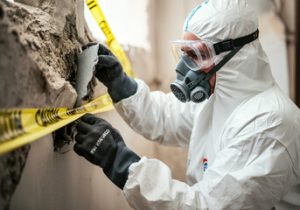
Asbestos fibers are microscopic and cannot be seen with the naked eye. When asbestos-containing materials are damaged or disturbed, these fibers can become airborne and inhaled, potentially causing long-term health complications. Asbestos testing helps determine whether these materials are present and allows property owners to take appropriate action to protect occupants and comply with safety requirements. Visit Our Website to get started.
Understanding What Asbestos Is and Where It Is Found
Asbestos refers to a group of naturally occurring mineral fibers that were commonly incorporated into building materials for their strength and resistance to heat. These materials were used in a wide range of applications, particularly in structures built decades ago.
Asbestos may be found in insulation, flooring materials, roofing components, wall systems, and certain adhesives. It is often hidden behind walls or beneath surfaces, making it difficult to identify without professional testing. Because asbestos-containing materials can appear similar to non-hazardous materials, visual inspection alone is not sufficient.
Common locations where asbestos may be present include:
- Insulation around pipes, ducts, and heating systems
- Floor tiles, ceiling materials, and textured coatings
Knowing where asbestos may exist highlights the importance of thorough testing.
Why Asbestos Testing Is Essential
Asbestos testing is essential for maintaining a safe indoor environment. When asbestos remains undisturbed, it may not pose an immediate risk. However, activities such as repairs, renovations, or demolition can release fibers into the air, increasing the risk of exposure.
Testing provides clarity and helps property owners make informed decisions. Without proper testing, individuals may unknowingly expose themselves and others to harmful fibers. Early identification allows for risk management and proper handling before work begins.
Asbestos testing also plays a key role in protecting property value and reducing liability concerns associated with undisclosed hazards.
Health Risks Associated With Asbestos Exposure
Exposure to asbestos fibers has been linked to serious health conditions that may develop years after initial exposure. Inhaled fibers can lodge deep in the lungs, where they cause irritation and scarring over time.
Health concerns related to asbestos exposure include respiratory complications and chronic lung conditions. Because symptoms may not appear immediately, testing and prevention are especially important.
Professional asbestos testing helps reduce these risks by identifying potential hazards before exposure occurs, supporting long-term health and safety.
When Asbestos Testing Is Recommended
Asbestos testing is recommended in several situations, particularly when working with older structures. Any activity that could disturb building materials should be preceded by proper testing to prevent accidental exposure.
Testing is commonly recommended before renovation projects, during property inspections, and when signs of material deterioration are present. Even minor damage to suspected materials can release fibers, making testing a proactive safety measure.
Situations that often require asbestos testing include:
- Planned renovations or structural modifications
- Purchase or sale of older properties
Testing provides peace of mind and ensures that appropriate precautions are taken.
The Asbestos Testing Process Explained
Asbestos testing follows a controlled and systematic process designed to ensure accurate results while minimizing the risk of fiber release. The process begins with an inspection to identify materials that may contain asbestos.
Samples are carefully collected using specialized techniques and sent for laboratory analysis. This analysis determines whether asbestos is present and identifies the type and concentration of fibers. Accurate testing requires proper handling and expertise to ensure reliable results.
The testing process focuses on safety, accuracy, and compliance with established standards.
Importance of Professional Sampling and Analysis
Asbestos testing should always be performed by trained professionals. Improper sampling can release fibers into the air and increase exposure risks. Professionals use containment methods and protective equipment to safely collect samples.
Laboratory analysis is conducted using advanced techniques that provide precise identification of asbestos fibers. These methods ensure that results are reliable and actionable.
Professional testing eliminates guesswork and provides clear guidance for next steps, whether that involves monitoring, encapsulation, or removal.
Interpreting Asbestos Testing Results
Understanding asbestos testing results is an important part of the process. Results indicate whether asbestos is present and help assess the level of risk associated with the material.
If asbestos is detected, recommendations are typically provided regarding management or remediation options. Not all asbestos-containing materials require immediate removal; in some cases, they can be safely managed if undamaged and properly sealed.
Clear interpretation of results allows property owners to make informed decisions that prioritize safety and compliance.
Asbestos Testing vs. Asbestos Removal
Asbestos testing and asbestos removal are related but distinct services. Testing identifies the presence of asbestos, while removal addresses the hazard by eliminating or containing the material.
Testing is the first and most critical step in managing asbestos risks. Without accurate testing, removal efforts may be unnecessary or improperly targeted. Testing ensures that any remediation efforts are based on verified information.
This distinction helps property owners approach asbestos management responsibly and efficiently.
Legal and Safety Considerations
Asbestos testing plays an important role in meeting safety and regulatory expectations. Many renovation and demolition projects require confirmation that asbestos is not present or has been properly managed.
Failure to conduct testing can result in project delays, safety violations, and increased liability. Proactive testing supports compliance and demonstrates a commitment to occupant safety.
Understanding legal responsibilities reinforces the value of professional asbestos testing services.
Protecting Property Value Through Asbestos Testing
Undetected asbestos can negatively impact property value and complicate real estate transactions. Buyers and investors are increasingly aware of environmental hazards and often require documentation of testing results.
Asbestos testing provides transparency and builds confidence in the property condition. Identifying and addressing asbestos concerns early can streamline transactions and reduce unexpected costs.
Testing is an investment in both safety and long-term property value.
Choosing Professional Asbestos Testing Services
Selecting experienced professionals for asbestos testing ensures accurate results and safe procedures. Trained technicians understand how to identify suspect materials, collect samples responsibly, and interpret laboratory findings.
Professional asbestos testing services typically offer:
- Comprehensive inspections and detailed reporting
- Safe sampling techniques and reliable laboratory analysis
Expert guidance helps property owners navigate asbestos-related decisions with confidence.
Long-Term Benefits of Asbestos Testing
The benefits of asbestos testing extend beyond immediate safety concerns. Regular testing and monitoring support healthy indoor environments and reduce long-term health risks.
Testing also helps prevent costly disruptions during construction projects by identifying hazards early. With clear information, property owners can plan renovations and maintenance more effectively.
Asbestos testing contributes to safer spaces and informed decision-making.
Asbestos testing is a vital service for protecting health, ensuring safety, and preserving property value. By identifying hidden asbestos-containing materials, testing allows property owners to take appropriate action before exposure occurs.
From inspection and sampling to laboratory analysis and reporting, every step of the asbestos testing process plays an important role in risk management. Proactive testing supports compliance, peace of mind, and long-term protection.