How Long Does Septic Tank Cleaning Take?

Septic Tank Cleaning Brighton

It’s important to get your septic tank pumped regularly. This ensures a healthy balance of bacteria in your septic system.

The process can take about an hour and a half. It begins with locating the tank and evaluating access. This can take extra time if the tank is buried or covered by landscaping. Contact Septic Tank Cleaning Brighton for more information.

Preparation

The first step in septic tank cleaning is to prepare the site. This includes clearing away any obstacles that could prevent a tank from being pumped out, such as a fence or tree roots. It also involves preparing the area where the pumper will drive in and out of the tank location.

If your septic system has a two-tank system, the tank seals must be repaired before the pumping and cleaning process begins. The delicate seals are one of the first things to erode, and they’re vulnerable to bacteria, earthquakes, heavy vehicles driving too close, and other factors. It’s a good idea to have the seals inspected regularly, and they should be replaced when needed.

A septic tank is a large, buried water-tight container that holds domestic wastewater from toilets and other drains. Heavier solid waste sinks to the bottom of the tank forming sludge, while lighter waste such as oils and fats floats to the top to form scum. Anaerobic bacteria in the septic tank digest and break down these organic wastewater pollutants, transforming them into inert matter that eventually exits the septic tank through the drainfield.

The sludge and scum layers in your septic tank can grow to a point where the septic system fails to function correctly. This is why it’s important to have your septic tank pumped and cleaned periodically.

If you notice that your toilet flushes are slow or unsteady, it’s a sign that your septic tank is full and needs to be pumped out. It’s best to hire a professional septic tank company for this job to ensure that the tank is completely emptied.

Once the technician has located your septic tank and carefully removed its lid, they will visually inspect it. This will include looking at the sludge and scum levels, checking for signs of leaks, and ensuring that the lid is secure.

It is critical to work safely around a septic tank because it contains dangerous gases, including hydrogen sulfide. These gasses are deadly and can cause unconsciousness if inhaled, and they’re also flammable. It’s important to wear protective clothing and to never smoke near a septic tank opening.

Pumping

Septic tanks are underground storage units for sewage waste for homes that don’t have access to municipal sewer systems. They’re designed to hold sewage long enough for solids to separate from the liquid wastewater before it discharges into a drain field or soil absorption system. A septic tank can’t function properly without periodic pumping and cleaning by a qualified professional.

During the pumping phase, a large tanker truck equipped with vacuum equipment is used to remove liquids and sludge from the septic tank. The septic tank is also stirred to break up any solid waste and help the decomposition process. The truck will empty the septic tank contents into a holding container and then transported to the disposal site for processing.

Septic tank cleaning is a vital service that keeps your home’s wastewater flowing smoothly and prevents backups and other problems. It’s recommended that you have your septic tank pumped every 2-3 years, but the exact time frame depends on a variety of factors. These include how many people live in the home and whether a garbage disposal is installed.

If it’s been a while since you had your septic tank pumped, we encourage you to book an appointment today. Getting the job done promptly reduces your chances of expensive emergency repairs later down the line.

Regular maintenance also helps keep septic system costs down, too. You can do your part by avoiding flushing non-degradable items like wipes, diapers and feminine products, and by using water-saving appliances like low-flush toilets. Taking care of these simple tasks goes a long way in keeping your septic system running smoothly and efficiently for the life of your home.

Effluent filters are also important components of a septic system. These are designed to capture lint, coffee grounds and other solid waste that can’t be broken down by the septic system’s normal bacteria. These filters need to be cleaned regularly, as well. Your septic tank service provider should inspect and clean these filters as part of any septic tank inspection or desludging appointment.

Septic systems are very complex and require expert technicians to maintain them. Avoid DIY septic tank services, as they may not be as thorough and could potentially damage your septic system.

Inspection

Septic systems are a great way to manage household wastewater, especially in rural areas where public sewer services are not available. However, like any system, they require regular inspection and cleaning to function properly. Without these routine operations, solids build up in the tank until they cannot break down and flow into your drain field. This can lead to clogging and system failure. That’s why it’s important to schedule septic tank cleaning every 3 to 5 years to avoid costly repairs and replacement costs.

During the inspection phase, your septic service technician will first remove the cover to the septic tank and look inside. They’ll look for cracks, dents, and rust that could indicate that the tank is in need of repair or replacement. They’ll also check the water levels, and if they’re high, this can indicate that the septic system is not functioning properly.

Next, the inspector will check the sludge layer. If this layer rises to the top of the tank, it is time for a pump-out. The septic tank will not function well if it is full of sludge, as the bacteria inside will have nowhere to go.

The septic tank’s baffles, which help to separate the sludge from the liquid waste, will also be checked for damage or blockage. These are essential for ensuring that each drain line receives an equal amount of wastewater. The tank’s distribution box, or D-box, will also be examined for damage, a tilting or tipping that causes uneven distribution, and other issues.

Finally, the inspector will check the drain field to ensure that it’s in good condition. They’ll make sure there are no trees or other objects close to the septic tank, which can cause root penetration and other problems for the drain field. They’ll also check the condition of the leach lines, which carry wastewater from the septic tank to the drain field.

While septic tank cleaners claim to clean the system by dispersing the fats, oils, and grease that build up in the tank, these products cannot replace the need for periodic cleanings and pump-outs. They can, however, be used in conjunction with a septic tank cleaning to help reduce the frequency of cleanings and pump-outs.

Disposal

Septic tanks are large containers buried underground that are used for the treatment of wastewater that flows from homes. Over time, sludge and scum build up within the tank. To prevent the sludge from building up too much, a septic system must be cleaned on a regular basis. This can be done through the use of septic tank pumping services.

During the tank pumping process, a technician uses a suction truck and hose to remove the sludge from the septic tank. Depending on the septic tank size and usage, most homeowners will need their septic tank pumped every three to five years. Regular pump-outs help to avoid drainfield damage and costly repairs to the home’s plumbing system.

Before the septic tank is pumped, the technician will perform a pre-pumping inspection of the sludge levels. This includes assessing the condition of the septic tank baffles and checking for issues with the drainfield. The technician can recommend any necessary repairs or replacements.

The next step is to measure the sludge and scum levels within the septic tank. This can be done by looking at the sludge level indicator at the top of the septic tank or by using a homemade stick to determine how thick the scum layer is. Generally, homeowners should have their septic tank pumped when the sludge level reaches 6 inches thick.

Once the septic tank is pumped, it is hauled away to be properly disposed of at an approved site. Some septic tank companies transport waste to a municipal wastewater treatment facility for processing and disposal. However, some unscrupulous septic tank cleaning companies dump waste illegally in rivers or other waterways.

If you’re due for a septic tank pump-out, contact us today. We’ll set you up with a local, family-owned team of septic experts who have helped thousands of homeowners protect their yard and plumbing. We promise a clear schedule, a transparent price, and a thorough tank clean-out that will leave your septic system in good shape. For more information, check out our septic tank cleaning guide or give us a call!
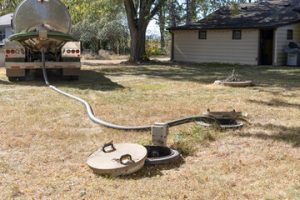
Why You Should Get Your Septic Tank Pumped

Your septic system is one of the most essential elements of your home. Getting it pumped regularly helps you avoid costly issues down the road.

Septic Tank

A well-documented septic system maintenance history also increases your property value. Prospective homebuyers see this as evidence of responsible homeownership and will be more likely to invest in your property. Contact The Septic Guys for professional help.

Every time you flush a toilet or use your sinks, the wastewater travels through drainpipes and into your septic tank. As the wastewater enters, it separates into different levels, with solid waste sinking to the bottom of the tank (known as sludge) and liquid wastewater rising to the surface (known as scum).

The septic system then treats the sewage through a process known as anaerobic digestion and bacterial action. The treated effluent is then absorbed into the groundwater. Proper septic tank maintenance ensures that the treatment process is working efficiently and reduces the risk of contamination.

When a septic tank is more than one-third full of sludge and scum, the septic system’s ability to treat wastewater is reduced. This could allow untreated wastewater to flow into groundwater and nearby water sources. Regular pumping and proper septic system maintenance prevent this and keep groundwater safe for human consumption.

Septic tanks offer flexibility in property development and are ideal for rural locations without municipal sewer lines. However, they’re susceptible to problems caused by poor maintenance and can lead to plumbing backups and environmental contamination. Proactive septic tank maintenance and regular inspections can protect your home’s investment and avoid costly repairs and long-term damage.

Some warning signs of impending septic system failure are slow drainage and unpleasant smells that may indicate the presence of bacteria and sewage in the household plumbing. Water that has a cloudy or metallic taste may also indicate contamination from improper septic tank operation. An unusually green or lush yard surrounding the septic tank and drain field may mean that wastewater is seeping into the soil rather than being absorbed.

Regular septic tank pumping, coupled with good household sewage practices, can protect drinking water and ensure that wastewater treatment is functioning properly. Responsible septic system maintenance, along with avoiding toxic substances and scheduling routine inspections, can help preserve our nation’s groundwater resources for generations to come. This is the true meaning of environmental stewardship.

Prevents Bad Odors

Septic system odors are often a sign that it’s time to have your tank pumped. The foul odors are caused by a build-up of gases and byproducts of waste decomposition. Regular septic pumping eliminates these unpleasant smells and helps prevent the sludge and scum from overflowing into your leach field.

Septic tank odors aren’t just an eyesore—they can also be dangerous for your health and the environment. Odors from your septic system may carry airborne bacteria that cause respiratory illnesses and other health concerns.

While you can reduce septic tank odor by fixing leaks, using enzyme cleaners, improving ventilation, and preventing water usage, the best way to eliminate septic tank odors is to regularly have your septic tank pumped. Professionals use special equipment to quickly remove sludge and scum from the tank, leaving you with a clean, fresh-smelling system.

When septic tank odors aren’t prevented by regular maintenance, it may be time to have the system repaired or replaced. If you notice sewage leaking into your toilets or drains, it’s a serious sign that the tank is full and needs to be pumped immediately. Sewage backup in toilets is not only embarrassing, but it can also lead to costly plumbing repairs and property damage.

A septic system is an important part of your home, so it’s important to take care of it. Regular septic tank pumping ensures your system is working properly and prevents odors, which can be very unpleasant for you and your family.

The frequency of septic tank pumping will vary based on household size and usage, the tank’s size and capacity, and the leach field’s drainage conditions. Ideally, you should have the tank pumped every three to five years. However, if you notice signs that the tank is close to full—including sewage backup in your toilets or unusual water pooling near the septic system’s location—it’s best to have it pumped sooner.

If you’re interested in learning more about septic system maintenance and how often your tank should be pumped, contact a local septic service. They can recommend a schedule based on your specific situation and provide expert advice to keep your home’s septic system working properly.

Increases Property Value

Septic tank pumping and inspections help you maintain the property value of your home. If you plan to sell your house in the future, investing a few hundred dollars into these services now can save you thousands of dollars in repair and replacement costs later. In fact, many service providers offer special discounts or deals to homeowners who commit to regular maintenance.

Regular septic system pumping eliminates accumulated solids and scum from the tank, which prevents plumbing backups and system failure. This ensures the sewage system functions properly, which makes it an appealing feature to potential buyers. When septic systems fail, the waste backs up into homes and causes unpleasant odors that detract from their overall quality of life.

A leaking tank, frequent clogs in the drain field, or groundwater contamination can deter potential buyers and deflate home values. These issues can cost up to $3,500 to fix and may require system replacement, a major expense. Proactive maintenance decreases the risk of such problems, which increases the value of your property and gives buyers confidence that they won’t face unexpected costs.

Additionally, septic systems that have been pumped regularly and inspected annually are more likely to meet local regulations regarding water and waste disposal, which further adds to a home’s marketability. These systems are also more environmentally friendly, which appeals to eco-conscious buyers and aligns with green-building initiatives. Additionally, a modern septic tank that’s properly sized for the home can significantly reduce homeowner’s utility costs by reducing the need for public sewer connections and decreasing wastewater treatment costs.

Prevents System Failure

When solid waste and sludge build up in a septic tank, it can cause the wastewater to back up into the drain field or into household plumbing. This can lead to clogs and system failure that necessitate costly repairs. Regular septic tank pumping prevents the accumulation of solids, keeping the system functional and avoiding expensive maintenance.

Septic tanks can also be a source of unpleasant odors that affect both indoor and outdoor air quality. Septic pumping removes sludge and prevents the accumulation of gases, reducing odors and contributing to healthy indoor and outdoor air. This benefit extends beyond the individual home and impacts the broader community, promoting healthier water management practices that support environmental sustainability.

In addition to preventing the buildup of waste, routine septic tank pumping can identify and treat early signs of septic system failure before they become severe. These early warning signs include slow drains, sewage backups in sinks and toilets, and water pooling over the drain field. If these signs are ignored, they can result in costly repair bills and decreased property value due to plumbing problems. Professional septic tank pumpers are familiar with local regulations and can provide timely, effective maintenance that prevents the need for emergency services.

As septic systems degrade, their components can become damaged and worn out. This wear and tear is exacerbated by the continuous influx of waste, resulting in decreased system efficiency and shortened lifespans. However, consistent maintenance with septic tank pumping significantly reduces this degradation, allowing the system to function optimally for longer and extending its usability.

Regular septic tank pumping is often required by regulatory bodies to protect public health and sanitation. In addition to meeting these requirements, a proactive approach to septic system maintenance can significantly increase your system’s longevity and reduce the need for expensive repairs. Whether you need your septic tank pumped or want to know more about the benefits of routine septic maintenance, contact a local expert today. They can help you establish an affordable septic maintenance schedule that meets your needs and protects the investment you have made in your property.