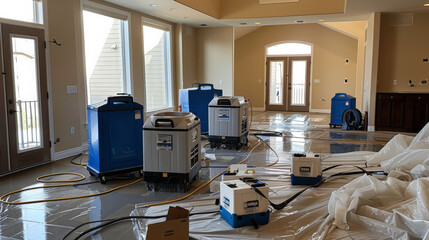
Water damage can occur from a range of sources, including sewer backups, burst pipes, severe storms and faulty appliances. Left untreated, it can trigger mold within 24 hours and lead to structural weakening, rot and contaminated building materials.
Water Damage Repair Salt Lake City starts with a thorough inspection using tools like moisture meters and thermal imaging cameras. They assess affected areas, identify the source and categorize the type of water (clean, gray or black).
Inspection
From burst pipes and severe storms to sewer backups and faulty appliances, no one expects water damage. But when water sneaks into your home, it can cause long-term damage that requires extensive repair or even a rebuild. That’s why it’s important to recognize the warning signs and take action quickly when you spot them.
The inspection phase is the first step in any professional water damage restoration project. It’s an in-depth look at the affected areas that enables technicians to set an appropriate course for mitigation, cleaning, and restoration. It also helps them determine if the space is safe to enter, whether it’s necessary to evacuate (in cases of sewage backups or severe flooding), and what PPE gear is needed for safety.
During the inspection, professionals use moisture meters and infrared cameras to identify pockets of hidden water and damage. They’ll also assess the types of materials involved, identifying porous items that require special drying techniques. This information shapes their water damage restoration plan and prevents surprises down the line, such as mold growth or structural weakening.
The next step is to safely and thoroughly remove the water. This may involve using powerful pumps, dehumidifiers, and air movers to reduce the moisture content of the affected area. It can also involve removing and disposing of severely damaged materials or carpeting. As the moisture levels decrease, technicians will continue to monitor the affected areas and make adjustments to their equipment as needed. They’ll also advise homeowners on steps they can take to prevent future water damage, such as improving ventilation and avoiding open windows during humid weather. They may also recommend addressing vulnerabilities that allowed water intrusion in the first place.
Mitigation
A flooded home requires quick response to avoid extensive damage, structural weakening, mold growth, and safety hazards. In fact, it can take as little as 24 hours for mold to begin growing, and the longer water is left standing, the more extensive and costly the repair becomes. Acting quickly to shut off water sources, removing affected personal belongings, and working with experienced professionals can help minimize restoration timelines and make the process easier for homeowners.
During the mitigation phase, professional water damage technicians examine the affected space to understand how much moisture is present. They may use moisture meters and infrared cameras to map the extent of the water damage, taking into account hidden moisture that may be trapped in walls, ceiling joists, or flooring. This information shapes a targeted mitigation plan that reduces drying time and the risk of additional damage.
Mitigation typically takes 1 hour for a small room with few affected materials and up to 4 hours for a larger space. It involves locating the source of the leak, identifying the type of water damage (clean, gray, or black), and developing a restoration plan.
Once the space is stabilized and free of immediate threats, the next step in the water damage repair process is drying. This includes using industrial air movers and dehumidifiers to dry surfaces and porous materials, cleaning and sanitizing the area, and removing and disposing of damaged items that can’t be salvaged. It can also include addressing electrical and plumbing systems to prevent further damage and improve efficiency.
Drying can take anywhere from 3 to 7 days, depending on the humidity and amount of water damage. It can also be accelerated by opening windows, removing rugs and furniture, and improving ventilation.
Drying
Water damage can affect different building materials, causing the restoration process to take longer for porous or absorbent materials like carpeting and drywall. The type of water is also a factor that impacts restoration timelines, with clean or gray water from a fast-response plumber taking less time to clean and restore than contaminated black water from sewage backups or floods.
After inspection and damage assessment, the next step in the process is to remove standing water using powerful pumps and wet vacuums. This step is crucial to reduce the amount of water damage and minimize the risk of structural decay, mold growth, and other health concerns.
Once all the visible water is removed, professionals focus on drying and dehumidification. Industrial air movers and dehumidifiers eliminate hidden moisture from walls, floors, and other surfaces, preventing structural issues and mold growth. This phase can take several days, depending on the amount of water involved and the affected materials.
The last and most extensive phase is cleaning, sanitizing, and restoring affected areas of the home. Professionals scrub and dry surfaces, disinfect objects and belongings, and remove debris from the property. This step makes the space livable again, and it helps prevent future issues like mold or corrosion. It can take about two weeks to fully restore a flooded house, though decisions like material selections and insurance approvals can extend timelines. Delaying repairs allows water and moisture to linger behind walls and in floors, leading to more serious problems later. By working with a trusted and experienced team of experts, you can minimize restoration timelines and get your home back faster. If you need help addressing water damage in your home, contact PuroClean today.
Cleaning
Whether it’s caused by a burst pipe, flooding from storms, or a flooded basement, water damage must be addressed quickly. Left unattended, even minor leaks can cause mold growth, structural issues, and health hazards.
The restoration process begins with mitigation, which can take a few days to several weeks to complete, depending on the extent of the damage and the response time. In this phase, a professional water restoration company works to stabilize the property and remove water, including sanitizing the area.
Once all visible water is removed, the next step in the repair process is drying the affected areas. Professionals use powerful fans and dehumidifiers to speed up the process and ensure all dampness is fully addressed. This may take up to a few days if the area is large, or longer for porous materials like drywall and insulation. Moisture meters are used to monitor the progress, ensuring no hidden moisture remains that could lead to mold growth or further damage to the structure.
After the drying stage, all surfaces must be cleaned and sanitized to remove bacteria and other contaminants. This is especially important if the source of the water was Category 3 (hazardous) floodwater or sewage, which can cause severe and long-term damage to your home and health. Your restoration specialist may also use a negative air machine to purify the air of dust, debris, and other allergens.
Once all surfaces are dry, your restoration specialist can begin repairing and replacing damaged drywall, flooring, and furniture. This phase can be quick if the damage is limited to one or two rooms, but can take weeks if extensive reconstruction is needed. After this phase, your home should be fully restored and ready to occupy again.
Reconstruction
The reconstruction phase involves repairing and replacing water-damaged materials such as drywall, flooring, and cabinetry. It also includes refinishing and painting as needed. Once your home has been restored to a safe and sanitary condition, you’ll be able to move back in. The key to a successful restoration is to act quickly. The longer standing water is allowed to stay in place, the more damage it causes. Mold growth, structural weakening, and rot are just a few of the risks involved in delaying water damage repair.
During this phase, professionals use moisture detectors and infrared cameras to assess the extent of the damage and determine how far the water has reached within your home. They also identify the source of the water (clean, gray, or black) and develop a customized restoration plan based on their findings.
Water removal/extraction: Powerful extraction pumps and vacuums extract the majority of the water, reducing dry out times and preventing structural damage. Industrial air movers and dehumidifiers reduce moisture levels in building materials, preventing rot and mold. Moisture levels are monitored daily and equipment is adjusted as needed.
Cleaning and sanitizing: Once all the visible and hidden moisture is addressed, surfaces are disinfected and sanitized. This is especially important for black water, which can pose serious health and safety risks.
The reconstruction phase can take several weeks or even months depending on the scope of the work and the severity of the damage. Whether you’re experiencing minor water damage from a burst pipe or a devastating flood, you should be proactive and contact PuroClean as soon as possible to avoid further damage and costly repairs. Contact us to schedule your free estimate today!