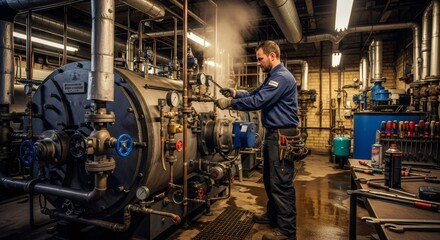
Commercial plumbing plays a critical role in the daily operation of businesses, institutions, and industrial facilities. From office buildings and restaurants to hospitals and manufacturing plants, commercial plumbing systems support sanitation, safety, and productivity. Unlike residential plumbing, commercial systems are designed to handle higher demand, stricter regulations, and more complex infrastructure.
Understanding how commercial plumbing works, the services involved, and the importance of professional maintenance helps business owners and facility managers protect their properties and avoid costly disruptions. Visit https://www.castlerockplumbingllc.com/ for more details.
What Is Commercial Plumbing?
Commercial plumbing refers to the installation, maintenance, and repair of plumbing systems in non-residential buildings. These systems supply clean water, manage wastewater, support heating systems, and ensure compliance with health and safety regulations.
Commercial plumbing systems are larger and more complex than residential systems. They often serve hundreds or thousands of users daily and must operate reliably under constant use. Because of this, commercial plumbing requires specialized knowledge, equipment, and expertise.
Key Differences Between Commercial and Residential Plumbing
Commercial plumbing differs from residential plumbing in scale, complexity, and regulatory requirements. Commercial buildings use larger pipe diameters, higher-capacity water heaters, and advanced drainage systems to accommodate heavy usage.
Commercial plumbing systems must also comply with stricter codes related to health, accessibility, and environmental protection. Downtime in commercial plumbing can result in lost revenue, health violations, or operational shutdowns, making reliability a top priority.
The Role of Commercial Plumbing in Business Operations
Plumbing systems directly impact daily business operations. Restrooms, kitchens, break rooms, and sanitation facilities must function properly to maintain employee productivity and customer satisfaction. In industries such as hospitality, healthcare, and food service, plumbing reliability is essential for regulatory compliance and public safety.
Even minor plumbing issues can disrupt operations. A leaking pipe, clogged drain, or malfunctioning water heater can force businesses to close temporarily, highlighting the importance of professional plumbing management.
Common Commercial Plumbing Systems
Commercial plumbing systems include water supply networks, drainage and sewer lines, venting systems, and specialized equipment. Many commercial buildings also rely on grease traps, backflow prevention devices, sump pumps, and industrial-grade water heaters.
In larger facilities, plumbing may be integrated with HVAC systems, fire suppression systems, and process piping. These interconnected systems require careful coordination and expert oversight.
Commercial Plumbing Installation
Proper installation is the foundation of reliable commercial plumbing. New construction projects require detailed planning to ensure plumbing systems meet building codes and support future growth. Pipe sizing, water pressure management, and fixture placement must be carefully designed.
Professional commercial plumbers work closely with architects, engineers, and contractors to create efficient plumbing layouts. Quality installation reduces the risk of leaks, clogs, and system failures over time.
Commercial Plumbing Maintenance
Preventative maintenance is essential for commercial plumbing systems. Regular inspections help identify wear, corrosion, and potential blockages before they cause major problems. Maintenance programs often include drain cleaning, valve testing, pressure checks, and water heater servicing.
Scheduled maintenance minimizes unexpected breakdowns and extends the lifespan of plumbing components. For businesses, this proactive approach helps control costs and avoid emergency repairs.
Common Commercial Plumbing Problems
Commercial plumbing systems face unique challenges due to heavy usage. Frequent issues include clogged drains, pipe leaks, low water pressure, and malfunctioning fixtures. Grease buildup is a major concern in restaurants and food service facilities, often leading to severe blockages.
Aging pipes, improper installation, and fluctuating water pressure can also cause problems. Without prompt attention, small issues can escalate into expensive repairs or system failures.
Commercial Drain and Sewer Services
Drain and sewer systems in commercial buildings must handle large volumes of wastewater. Over time, debris, grease, and sediment can accumulate, restricting flow. Professional drain cleaning and sewer maintenance prevent backups and unpleasant odors.
Advanced techniques such as hydro jetting and video inspections are commonly used in commercial plumbing. These methods allow plumbers to clear blockages and assess pipe condition without unnecessary disruption.
Water Heaters in Commercial Plumbing
Commercial water heaters are significantly larger and more complex than residential units. They must supply consistent hot water for restrooms, kitchens, and industrial processes. Common types include high-capacity tank heaters, tankless systems, and boiler-based solutions.
Regular maintenance and timely repairs are essential to prevent downtime. A water heater failure in a commercial setting can halt operations and inconvenience customers and employees.
Backflow Prevention and Safety Compliance
Backflow prevention is a critical aspect of commercial plumbing. Backflow occurs when contaminated water flows backward into the clean water supply, posing serious health risks. Commercial buildings often require backflow prevention devices and routine testing.
Compliance with local and federal regulations is mandatory. Professional commercial plumbers ensure systems meet safety standards and pass inspections, protecting public health and avoiding fines.
Emergency Commercial Plumbing Services
Plumbing emergencies can have severe consequences for businesses. Burst pipes, sewage backups, and major leaks require immediate attention. Many commercial plumbing companies offer emergency services to address urgent issues quickly.
Rapid response minimizes damage and helps businesses resume operations as soon as possible. Having a trusted commercial plumber on call is essential for risk management.
The Importance of Professional Commercial Plumbers
Commercial plumbing requires specialized training and experience. Licensed commercial plumbers understand complex systems, regulatory requirements, and industry-specific needs. They use advanced tools and techniques to diagnose and resolve issues efficiently.
Attempting repairs without professional expertise can lead to safety hazards, code violations, and increased costs. Professional service ensures work is done correctly and reliably.
Commercial Plumbing and Energy Efficiency
Energy efficiency is an increasingly important consideration for commercial plumbing. Efficient fixtures, water-saving technologies, and modern water heaters reduce operating costs and environmental impact.
Plumbers can help businesses implement upgrades that improve efficiency while maintaining performance. These improvements often qualify for incentives or rebates, making them a smart investment.
Commercial Plumbing in Specialized Industries
Different industries have unique plumbing requirements. Healthcare facilities require sterile water systems and specialized drainage. Restaurants need grease management and sanitation compliance. Manufacturing plants may rely on process piping and chemical handling systems.
Commercial plumbers tailor solutions to each industry’s needs, ensuring safe and compliant operation.
Choosing the Right Commercial Plumbing Partner
Selecting the right commercial plumbing company is crucial. Businesses should look for licensed, insured professionals with experience in commercial projects. Reliability, transparency, and responsiveness are key factors.
A strong plumbing partner provides long-term support, helping businesses plan maintenance, upgrades, and emergency response strategies.
Long-Term Benefits of Proper Commercial Plumbing Care
Investing in professional commercial plumbing services provides long-term benefits. Well-maintained systems reduce downtime, improve safety, and lower repair costs. Reliable plumbing supports smooth business operations and protects property value.
Consistent care also ensures compliance with regulations and enhances the overall experience for employees and customers.
Commercial Plumbing as a Business Investment
Commercial plumbing is not just an operational necessity but a strategic investment. Efficient, reliable systems contribute to productivity, safety, and reputation. Neglecting plumbing can lead to disruptions that impact revenue and customer trust.
By prioritizing professional installation, maintenance, and repair, businesses can avoid costly surprises and focus on growth.
Final Thoughts on Commercial Plumbing
Commercial plumbing systems are complex, high-demand infrastructures that require expert care. From installation and maintenance to emergency response and compliance, professional commercial plumbing services are essential for business success.
Understanding the importance of these systems helps business owners and facility managers make informed decisions. With the right plumbing partner and proactive maintenance, commercial plumbing can support safe, efficient, and uninterrupted operations for years to come.