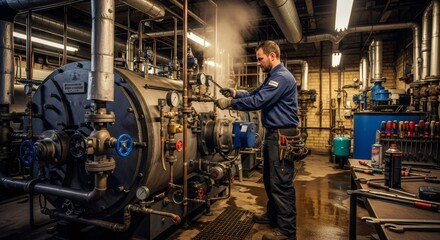
Commercial Plumbing: Essential Systems That Keep Businesses Running

Commercial Plumbing

Commercial plumbing plays a critical role in the daily operation of businesses, institutions, and industrial facilities. From office buildings and restaurants to hospitals and manufacturing plants, commercial plumbing systems support sanitation, safety, and productivity. Unlike residential plumbing, commercial systems are designed to handle higher demand, stricter regulations, and more complex infrastructure.

Understanding how commercial plumbing works, the services involved, and the importance of professional maintenance helps business owners and facility managers protect their properties and avoid costly disruptions. Visit https://www.castlerockplumbingllc.com/ for more details.

What Is Commercial Plumbing?

Commercial plumbing refers to the installation, maintenance, and repair of plumbing systems in non-residential buildings. These systems supply clean water, manage wastewater, support heating systems, and ensure compliance with health and safety regulations.

Commercial plumbing systems are larger and more complex than residential systems. They often serve hundreds or thousands of users daily and must operate reliably under constant use. Because of this, commercial plumbing requires specialized knowledge, equipment, and expertise.

Key Differences Between Commercial and Residential Plumbing

Commercial plumbing differs from residential plumbing in scale, complexity, and regulatory requirements. Commercial buildings use larger pipe diameters, higher-capacity water heaters, and advanced drainage systems to accommodate heavy usage.

Commercial plumbing systems must also comply with stricter codes related to health, accessibility, and environmental protection. Downtime in commercial plumbing can result in lost revenue, health violations, or operational shutdowns, making reliability a top priority.

The Role of Commercial Plumbing in Business Operations

Plumbing systems directly impact daily business operations. Restrooms, kitchens, break rooms, and sanitation facilities must function properly to maintain employee productivity and customer satisfaction. In industries such as hospitality, healthcare, and food service, plumbing reliability is essential for regulatory compliance and public safety.

Even minor plumbing issues can disrupt operations. A leaking pipe, clogged drain, or malfunctioning water heater can force businesses to close temporarily, highlighting the importance of professional plumbing management.

Common Commercial Plumbing Systems

Commercial plumbing systems include water supply networks, drainage and sewer lines, venting systems, and specialized equipment. Many commercial buildings also rely on grease traps, backflow prevention devices, sump pumps, and industrial-grade water heaters.

In larger facilities, plumbing may be integrated with HVAC systems, fire suppression systems, and process piping. These interconnected systems require careful coordination and expert oversight.

Commercial Plumbing Installation

Proper installation is the foundation of reliable commercial plumbing. New construction projects require detailed planning to ensure plumbing systems meet building codes and support future growth. Pipe sizing, water pressure management, and fixture placement must be carefully designed.

Professional commercial plumbers work closely with architects, engineers, and contractors to create efficient plumbing layouts. Quality installation reduces the risk of leaks, clogs, and system failures over time.

Commercial Plumbing Maintenance

Preventative maintenance is essential for commercial plumbing systems. Regular inspections help identify wear, corrosion, and potential blockages before they cause major problems. Maintenance programs often include drain cleaning, valve testing, pressure checks, and water heater servicing.

Scheduled maintenance minimizes unexpected breakdowns and extends the lifespan of plumbing components. For businesses, this proactive approach helps control costs and avoid emergency repairs.

Common Commercial Plumbing Problems

Commercial plumbing systems face unique challenges due to heavy usage. Frequent issues include clogged drains, pipe leaks, low water pressure, and malfunctioning fixtures. Grease buildup is a major concern in restaurants and food service facilities, often leading to severe blockages.

Aging pipes, improper installation, and fluctuating water pressure can also cause problems. Without prompt attention, small issues can escalate into expensive repairs or system failures.

Commercial Drain and Sewer Services

Drain and sewer systems in commercial buildings must handle large volumes of wastewater. Over time, debris, grease, and sediment can accumulate, restricting flow. Professional drain cleaning and sewer maintenance prevent backups and unpleasant odors.

Advanced techniques such as hydro jetting and video inspections are commonly used in commercial plumbing. These methods allow plumbers to clear blockages and assess pipe condition without unnecessary disruption.

Water Heaters in Commercial Plumbing

Commercial water heaters are significantly larger and more complex than residential units. They must supply consistent hot water for restrooms, kitchens, and industrial processes. Common types include high-capacity tank heaters, tankless systems, and boiler-based solutions.

Regular maintenance and timely repairs are essential to prevent downtime. A water heater failure in a commercial setting can halt operations and inconvenience customers and employees.

Backflow Prevention and Safety Compliance

Backflow prevention is a critical aspect of commercial plumbing. Backflow occurs when contaminated water flows backward into the clean water supply, posing serious health risks. Commercial buildings often require backflow prevention devices and routine testing.

Compliance with local and federal regulations is mandatory. Professional commercial plumbers ensure systems meet safety standards and pass inspections, protecting public health and avoiding fines.

Emergency Commercial Plumbing Services

Plumbing emergencies can have severe consequences for businesses. Burst pipes, sewage backups, and major leaks require immediate attention. Many commercial plumbing companies offer emergency services to address urgent issues quickly.

Rapid response minimizes damage and helps businesses resume operations as soon as possible. Having a trusted commercial plumber on call is essential for risk management.

The Importance of Professional Commercial Plumbers

Commercial plumbing requires specialized training and experience. Licensed commercial plumbers understand complex systems, regulatory requirements, and industry-specific needs. They use advanced tools and techniques to diagnose and resolve issues efficiently.

Attempting repairs without professional expertise can lead to safety hazards, code violations, and increased costs. Professional service ensures work is done correctly and reliably.

Commercial Plumbing and Energy Efficiency

Energy efficiency is an increasingly important consideration for commercial plumbing. Efficient fixtures, water-saving technologies, and modern water heaters reduce operating costs and environmental impact.

Plumbers can help businesses implement upgrades that improve efficiency while maintaining performance. These improvements often qualify for incentives or rebates, making them a smart investment.

Commercial Plumbing in Specialized Industries

Different industries have unique plumbing requirements. Healthcare facilities require sterile water systems and specialized drainage. Restaurants need grease management and sanitation compliance. Manufacturing plants may rely on process piping and chemical handling systems.

Commercial plumbers tailor solutions to each industry’s needs, ensuring safe and compliant operation.

Choosing the Right Commercial Plumbing Partner

Selecting the right commercial plumbing company is crucial. Businesses should look for licensed, insured professionals with experience in commercial projects. Reliability, transparency, and responsiveness are key factors.

A strong plumbing partner provides long-term support, helping businesses plan maintenance, upgrades, and emergency response strategies.

Long-Term Benefits of Proper Commercial Plumbing Care

Investing in professional commercial plumbing services provides long-term benefits. Well-maintained systems reduce downtime, improve safety, and lower repair costs. Reliable plumbing supports smooth business operations and protects property value.

Consistent care also ensures compliance with regulations and enhances the overall experience for employees and customers.

Commercial Plumbing as a Business Investment

Commercial plumbing is not just an operational necessity but a strategic investment. Efficient, reliable systems contribute to productivity, safety, and reputation. Neglecting plumbing can lead to disruptions that impact revenue and customer trust.

By prioritizing professional installation, maintenance, and repair, businesses can avoid costly surprises and focus on growth.

Final Thoughts on Commercial Plumbing

Commercial plumbing systems are complex, high-demand infrastructures that require expert care. From installation and maintenance to emergency response and compliance, professional commercial plumbing services are essential for business success.

Understanding the importance of these systems helps business owners and facility managers make informed decisions. With the right plumbing partner and proactive maintenance, commercial plumbing can support safe, efficient, and uninterrupted operations for years to come.
Trusted Plumbing Specialists Offering High-Quality Service and Support

Reliable plumbing services are essential for keeping any home or business operating smoothly. From routine maintenance to emergency repairs, trusted plumbing specialists play a key role in ensuring that water systems remain safe, efficient, and fully functional. When plumbing issues arise—whether a leaking pipe, clogged drain, or malfunctioning water heater—they can disrupt daily routines and create costly damage if not addressed quickly. That is why choosing a skilled, dependable Plumber Rosenberg TX who delivers high-quality service and ongoing support is invaluable. With the right team, property owners gain peace of mind knowing that their plumbing needs are managed with expertise, precision, and a long-term focus.

plumbing

Hiring trusted plumbing specialists means working with professionals who have extensive training and hands-on experience. Plumbing systems are complex, composed of interconnected pipes, fixtures, appliances, and drainage components that must all work together seamlessly. When problems occur, they often require more than just a simple fix. Skilled plumbers can analyze the entire system, identify the root cause of an issue, and implement durable solutions that restore full functionality. Their deep understanding of industry standards, safety protocols, and modern plumbing technologies ensures that every job is completed correctly, efficiently, and in compliance with best practices.

One of the most valuable benefits of hiring reputable plumbing experts is their ability to respond promptly to urgent situations. Plumbing emergencies rarely happen at convenient times. A burst pipe, overflowing toilet, or major leak can occur suddenly and requires immediate attention to prevent water damage, mold growth, or structural issues. Trusted plumbing specialists understand the seriousness of these events and are equipped to provide fast, effective assistance. They arrive prepared with the right tools, diagnostic equipment, and replacement parts to tackle the problem on the spot. Their rapid response minimizes downtime, reduces repair costs, and protects the property from further harm.

High-quality plumbing service goes beyond emergency repairs—it also includes routine maintenance aimed at preventing problems before they occur. Regular inspections allow plumbers to detect early signs of wear, corrosion, leaks, or blockages that might otherwise go unnoticed. Through preventive care, they help property owners avoid costly repairs and extend the lifespan of their plumbing systems. Maintenance visits may include checking water pressure, cleaning drains, inspecting pipes, evaluating water heaters, and ensuring that all fixtures and appliances are operating efficiently. This proactive approach enhances system performance and provides long-term savings by reducing the risk of unexpected breakdowns.

Drain cleaning is one of the most common services offered by trusted plumbing specialists. Over time, drains accumulate debris such as grease, hair, soap residue, and food particles. These materials can build up inside the pipes, causing slow drainage, unpleasant odors, and even complete blockages. Professional plumbers use advanced tools—such as augers, hydro-jetting equipment, and video cameras—to remove these obstructions safely and thoroughly. Unlike store-bought drain cleaners that may briefly mask the problem or damage pipes, professional drain cleaning offers long-lasting results without harming the plumbing system. By scheduling regular drain maintenance, property owners can prevent recurring clogs and maintain optimal water flow.

Leak detection and repair are also essential services provided by reputable plumbing professionals. Hidden leaks can cause significant damage over time, especially when they occur inside walls, beneath floors, or above ceilings. Moisture from these leaks can lead to mold growth, wood rot, and structural deterioration. Trusted plumbers use advanced leak detection technology—such as moisture scanners and acoustic sensors—to pinpoint the source of leaks with precision. Once identified, they provide durable repairs that stop the water loss and prevent future damage. Whether the issue involves a damaged pipe, loose connection, or faulty valve, expert technicians ensure that every repair is completed with accuracy and care.

Water heater services are another vital component of comprehensive plumbing support. Hot water is essential for bathing, cleaning, cooking, and daily household tasks, so maintaining a reliable water heater is crucial. Over time, water heaters may experience problems such as sediment buildup, worn-out heating elements, or thermostat issues. Plumbing specialists provide inspection, maintenance, repair, and replacement services to ensure the system operates efficiently and safely. They can also guide property owners in choosing the right type of water heater—whether tank-style or tankless—to meet their household size, usage patterns, and energy efficiency goals. A properly maintained water heater improves system performance, reduces energy consumption, and ensures consistent hot water availability.

Fixture installation and repair are also common services provided by trusted plumbing specialists. Faucets, sinks, toilets, showers, and bathtubs all play essential roles in the home, and each must function smoothly to support daily routines. Over time, fixtures may develop leaks, low water pressure, or internal malfunctions that require professional attention. Skilled plumbers can repair or replace fixtures with precision, ensuring proper sealing, alignment, and performance. Upgrading old or inefficient fixtures can also improve water conservation and enhance the overall appearance of kitchens and bathrooms. Whether installing a modern faucet or repairing a toilet, a professional plumbing service ensures long-lasting functionality.

Sewer line services are another vital aspect of high-quality plumbing support. A damaged or blocked sewer line can create serious sanitation issues, including foul odors, slow drains, and sewage backups. These problems not only disrupt daily life but also pose significant health risks. Trusted plumbing specialists use advanced tools, such as sewer cameras and hydro-jetting systems, to inspect and clean sewer lines with accuracy. If problems such as cracks, tree root intrusions, or pipe deterioration are found, they offer repair or replacement solutions that restore proper flow and prevent further complications. Addressing sewer line issues promptly protects the home’s environment and ensures long-term system reliability.

Communication and transparency are hallmarks of professional plumbing service. Trusted specialists take the time to explain the issue, outline the available solutions, and provide honest recommendations. This level of clarity helps property owners make informed decisions and understand the work being performed. High-quality plumbers value customer satisfaction and are committed to delivering services that not only fix immediate problems but also improve overall system health. Their willingness to answer questions, share maintenance tips, and provide clear pricing demonstrates their commitment to building long-term trust and reliability.

Water quality services are another important offering from expert plumbers. Many homes face challenges such as hard water, mineral buildup, or contaminants that affect the taste, safety, and usability of their water supply. Professional plumbing specialists can evaluate water quality and recommend treatment options such as filtration systems, purifiers, or softeners. These solutions help protect plumbing fixtures and appliances from mineral damage, improve the household’s water experience, and promote overall health. High-quality water treatment not only enhances daily comfort but also contributes to the long-term performance of the plumbing system.

Pipe repair and replacement services are also essential components of comprehensive plumbing care. Over time, pipes may deteriorate due to age, corrosion, or constant exposure to water pressure. Damaged pipes can cause leaks, water discoloration, and inconsistent water flow. Trusted plumbing experts assess the condition of the piping system and determine the most effective repair or replacement strategy. Whether addressing a small section or repiping the entire property, professional plumbers ensure that all work meets safety standards and provides long-term durability. Upgrading to modern piping materials can significantly enhance both water quality and system reliability.

Another important aspect of working with trusted plumbing specialists is the convenience they provide. Instead of coordinating multiple contractors for different plumbing tasks, homeowners and property managers can rely on a single team that offers a full range of services. This simplifies scheduling, communication, and project coordination, ensuring a smoother and more efficient service experience. Professional plumbers come equipped with the necessary tools, parts, and expertise to address a wide variety of issues in a single visit, saving time and reducing disruptions.

Beyond repairs and maintenance, expert plumbers are essential partners in home improvement and renovation projects. Whether upgrading bathrooms, remodeling kitchens, or adding new plumbing lines for appliances, their expertise ensures that all installations meet safety codes and function seamlessly. Proper planning and placement of pipes, fixtures, and connections are critical for achieving both aesthetic and functional goals. With trusted plumbing specialists involved in the design and execution of these projects, homeowners can avoid costly mistakes and enjoy results that enhance both comfort and property value.

Ultimately, working with trusted plumbing specialists who offer high-quality service and support provides long-term benefits for any property. Their commitment to excellence ensures that every aspect of the plumbing system is maintained with precision and care. From emergency repairs and routine maintenance to system upgrades and installations, reliable plumbers deliver solutions that ensure safety, efficiency, and comfort year-round. By choosing professionals who prioritize customer satisfaction, transparent communication, and industry-leading techniques, property owners gain peace of mind knowing that their plumbing system is in expert hands.

High-quality plumbing service is more than just fixing pipes—it is about building lasting relationships and ensuring that homeowners always have dependable support when they need it. With comprehensive service offerings, advanced expertise, and a dedication to long-term results, trusted plumbing specialists play an essential role in maintaining the integrity and performance of residential and commercial plumbing systems. Their commitment to quality helps ensure a safer, more efficient, and more comfortable living environment for everyone they serve.

Modern Plumbing Upgrades: How Technology Improves Efficiency and Safety

The plumbing industry has experienced a remarkable transformation over the past decade. What was once a field dominated by traditional pipes, wrenches, and manual monitoring is now embracing cutting-edge technology that enhances both efficiency and safety. Homeowners and businesses alike are recognizing the benefits of modern plumbing upgrades, which not only improve performance but also provide long-term savings and peace of mind. From smart water systems to advanced leak detection, technology is revolutionizing how we manage water in our daily lives.

Investing in modern plumbing upgrades is no longer just a luxury; it has become a practical approach to maintaining a safe and efficient home. Outdated systems are more prone to leaks, water waste, and costly repairs. Upgrades that incorporate advanced technology ensure that plumbing systems operate at peak performance, reduce environmental impact, and protect property from potential damage. Understanding the key innovations and benefits of modern plumbing technology allows homeowners to make informed decisions about their plumbing systems. Call Plumber Arvada CO for trusted advice.

Smart Water Monitoring Systems

plumbing

One of the most notable advances in plumbing technology is the development of smart water monitoring systems. These devices allow homeowners to track water usage in real-time, identify inefficiencies, and detect potential issues before they become major problems. Smart monitors are typically connected to mobile applications, providing easy access to water data from anywhere.

Beyond monitoring consumption, these systems can also detect abnormal patterns that may indicate leaks or other problems. Early detection of leaks prevents extensive water damage, reduces water bills, and promotes sustainability. In many cases, homeowners are alerted immediately when unusual water activity is detected, allowing them to take quick action.

Some key benefits of smart water monitoring systems include:

  1. Leak Detection: Immediate alerts help prevent water damage and costly repairs.
  2. Usage Analytics: Track water consumption trends and identify areas for conservation.
  3. Remote Control: Some systems allow users to shut off water remotely in emergencies.

These features make smart water monitoring a valuable investment for anyone looking to enhance efficiency and safeguard their property.

Advanced Leak Detection Technology

Leaks are one of the most common and costly plumbing problems. Traditional detection methods often rely on visible signs like water stains or damp flooring, which typically indicate that damage has already occurred. Modern leak detection technology, however, offers a proactive solution.

Ultrasonic sensors, moisture detectors, and pressure monitors are now integrated into plumbing systems to detect leaks early. Some systems can even pinpoint the exact location of a leak, reducing the time and cost associated with repairs. By identifying small issues before they escalate, homeowners save money, minimize disruption, and avoid structural damage.

Advanced leak detection also contributes to environmental sustainability. Undetected leaks can waste thousands of gallons of water annually, and early detection ensures that water resources are used responsibly. Incorporating these technologies into a home’s plumbing system is a proactive step toward efficiency and conservation.

Tankless Water Heaters and Energy Efficiency

Traditional water heaters rely on large storage tanks to maintain hot water, often leading to energy waste. Tankless water heaters, on the other hand, heat water on demand, providing several advantages in efficiency, cost, and space utilization.

Tankless systems only heat water when needed, which eliminates the standby energy losses associated with storage tanks. This technology can reduce utility bills while delivering a continuous supply of hot water. Additionally, tankless heaters take up less space and can be installed closer to points of use, further improving efficiency.

Some benefits of modern water heating upgrades include:

  1. Energy Savings: Reduced energy consumption due to on-demand heating.
  2. Longevity: Tankless systems often last longer than traditional water heaters.
  3. Space Optimization: Compact design frees up storage areas and allows flexible installation.

For homeowners looking to modernize their plumbing while lowering energy costs, tankless water heaters are an increasingly popular choice.

Pressure Regulation and Flow Control

Modern plumbing technology also focuses on optimizing water pressure and flow. High water pressure can damage pipes, fixtures, and appliances, while low pressure can reduce system performance. Pressure-reducing valves, flow regulators, and smart controllers allow homeowners to maintain optimal water pressure throughout their property.

Smart flow control devices can be programmed to limit usage in certain areas, conserve water, and even adjust flow based on time of day or demand. For example, irrigation systems can operate efficiently without excessive water waste, and indoor fixtures can maintain consistent performance.

The benefits of pressure regulation and flow control include:

  1. Preventing Pipe Damage: Avoid leaks or bursts caused by high pressure.
  2. Water Conservation: Reduce overall consumption without sacrificing functionality.
  3. Improved Appliance Longevity: Proper pressure extends the life of washing machines, dishwashers, and faucets.

Incorporating these technologies into a home’s plumbing system improves both efficiency and durability.

Smart Faucets and Fixtures

Another area of technological advancement is the introduction of smart faucets and fixtures. These devices combine convenience, hygiene, and efficiency, often incorporating touchless operation, temperature control, and water-saving features.

Touchless faucets, for instance, reduce the spread of germs while conserving water. Many smart faucets allow homeowners to program water flow, set temperature limits, and track usage through connected apps. Modern fixtures are not only aesthetically pleasing but also contribute to smarter water management.

Some advantages of smart fixtures include:

  1. Hygiene Improvement: Hands-free operation reduces bacteria transfer.
  2. Water Savings: Automatic shutoff and flow control prevent wastage.
  3. Convenience: Easy-to-use features streamline daily tasks like cooking and cleaning.

These upgrades are particularly valuable in high-traffic areas such as kitchens and bathrooms, combining modern functionality with sustainability.

Pipe Materials and Durability

Modern plumbing upgrades extend beyond technology to include advanced materials. Traditional pipes, such as galvanized steel, are prone to corrosion, leaks, and blockages over time. Newer materials like PEX (cross-linked polyethylene) and CPVC offer superior flexibility, resistance to corrosion, and easier installation.

Upgrading pipes with modern materials not only reduces the likelihood of leaks but also improves water quality and flow. PEX pipes, for example, can handle temperature fluctuations and high water pressure without compromising integrity, making them ideal for both new construction and retrofits.

Benefits of modern pipe materials include:

  1. Longevity: Resistant to rust, corrosion, and scaling.
  2. Flexibility: Easier to install in tight spaces or complex layouts.
  3. Safety: Reduced risk of contamination compared to older metal pipes.

Selecting durable materials ensures that plumbing systems remain reliable and safe for years to come.

Smart Sump Pumps and Flood Prevention

Flooding and basement water accumulation are common concerns for many homeowners. Modern sump pumps incorporate smart sensors and alert systems to prevent water damage. These pumps automatically activate when water levels rise and can send notifications to homeowners if a malfunction occurs.

Advanced sump systems often include battery backups, ensuring operation even during power outages. This technology provides peace of mind, protecting valuable belongings and preventing costly repairs from water intrusion.

Key benefits include:

  1. Automatic Operation: Reduces the need for manual monitoring.
  2. Remote Alerts: Immediate notifications of potential flooding or pump failure.
  3. Enhanced Protection: Battery backup ensures continued function during emergencies.

Smart sump pumps exemplify how technology can transform a traditional plumbing component into a proactive safety feature.

Environmental and Cost Benefits

Many modern plumbing upgrades focus on sustainability and efficiency. Smart water systems, efficient heaters, and flow control devices reduce water consumption and energy use. Over time, these improvements translate to lower utility bills and a smaller environmental footprint.

Homeowners who invest in these technologies often see long-term savings in water and energy costs while contributing to environmental conservation. Additionally, preventative measures like leak detection reduce the risk of expensive repairs caused by water damage.

Some financial and environmental advantages include:

  1. Reduced Utility Costs: Efficient systems lower monthly water and energy bills.
  2. Minimized Water Waste: Conservation technologies help preserve natural resources.
  3. Fewer Repairs: Early detection and durable materials reduce long-term maintenance expenses.

By combining efficiency with safety, modern plumbing upgrades create a win-win situation for both homeowners and the environment.

Planning Your Plumbing Upgrade

Before implementing modern plumbing upgrades, it’s important to assess the needs of your home or business. Conduct a thorough inspection of existing systems, identify areas that require improvement, and consult with a licensed plumbing professional. Prioritize upgrades that address both safety concerns and efficiency goals.

A strategic approach ensures that each investment delivers maximum value. For example, pairing smart leak detection with durable piping materials provides comprehensive protection, while updating fixtures and water heaters enhances daily convenience and efficiency.

Conclusion: Embracing the Future of Plumbing

Modern plumbing upgrades offer far more than simple convenience—they improve efficiency, safety, and long-term sustainability. From smart water monitoring and leak detection to tankless water heaters, advanced fixtures, and durable pipe materials, technology is transforming the way homes and businesses manage water.

Investing in these upgrades reduces the risk of damage, conserves resources, lowers utility bills, and provides peace of mind. For homeowners looking to protect their property, improve water efficiency, and embrace modern comfort, adopting advanced plumbing technologies is a smart choice.

By staying informed about the latest innovations and working with qualified plumbing professionals, property owners can ensure that their plumbing systems operate safely, efficiently, and reliably for years to come. Modern plumbing is no longer just about pipes and wrenches—it’s about intelligent systems that protect, conserve, and simplify daily life.